
Journal of Plastic, Breast & Reconstructive Surgery
Step-by-step surgical case reports, peer-reviewed by leading plastic surgeons and shared openly to help patients around the world.


Open for submissions
Case Competition 2027
2027 · Deadline: March 31, 2027
Tracks: International, Danish
The top 3 cases will be published without an article processing charge (APC).
Competition detailsFeatured cases
All cases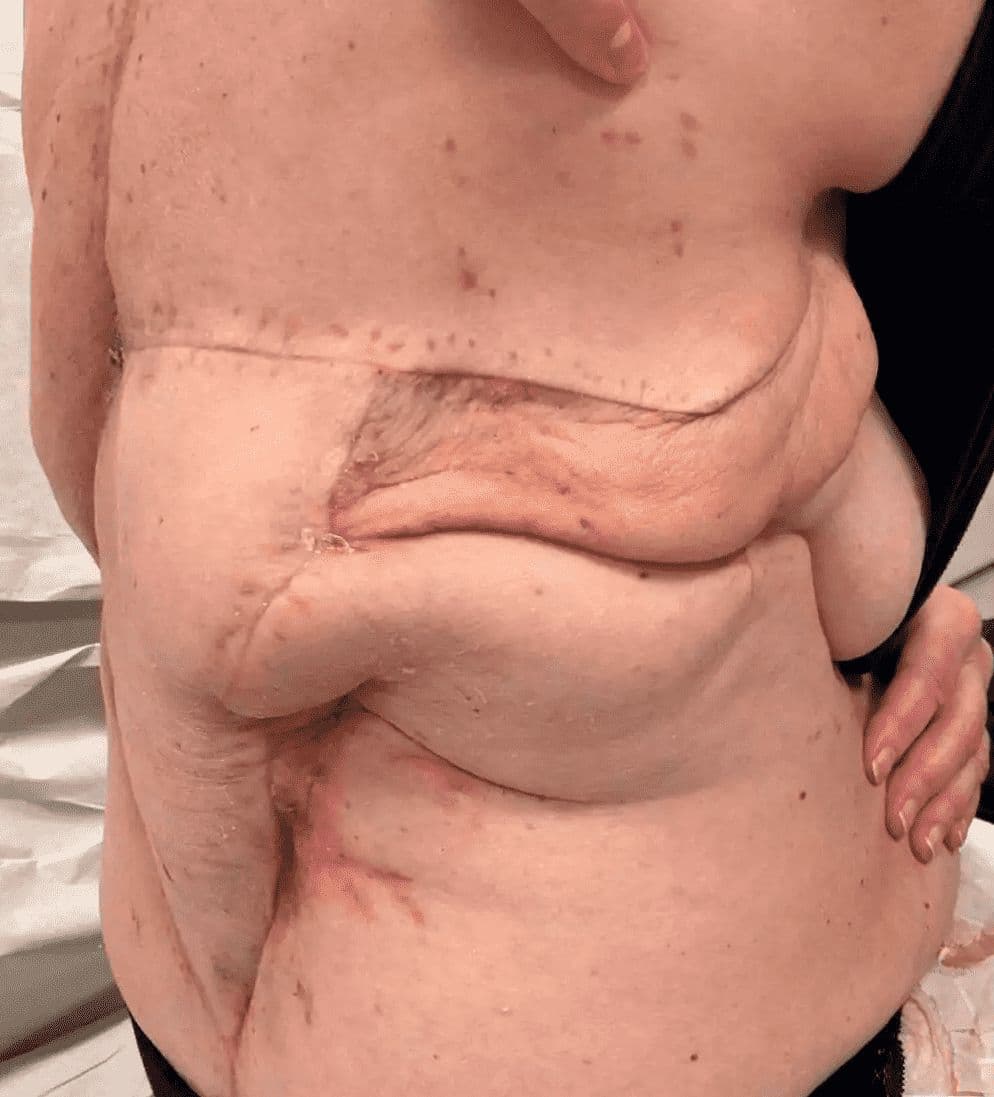
Case 1 - 2025: Lower back reconstruction with free ALT flap, free radial bridge flap and vein graft
Andrea Donfrancesco
A challenging case of midline mid-lower back defect is presented. The patient underwent previously vertebral chondrosarcoma resection, spine fixation and post-operative radiotherapy, and was re-operated 2 years after because of vertebral bone re-absorption and rupture of the previously done spinal fixation. The skin and soft tissue never healed and the patient had a 22 x 10 cm defect of the mid-lower back with exposed fixation material, exposed dura above the spinal cord, and radiotherapy damaged tissue around. No local reconstructive option was feasible. We reconstructed the defect with a free ALT, connected to a free radial bridge flap and a saphenous vein graft, hooked up to the thoracodorsal vessel, and a new spinal fixation was performed. Reconstruction was successful.
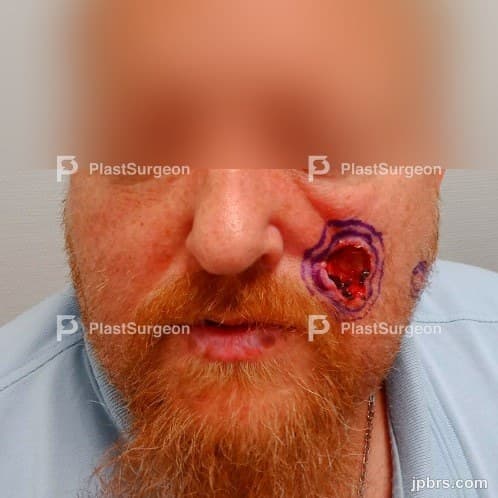
Case 1 (2023): Left Cheek Reconstruction with Combined VY- and Transposition Flap
Harald Welling, Michael Rose
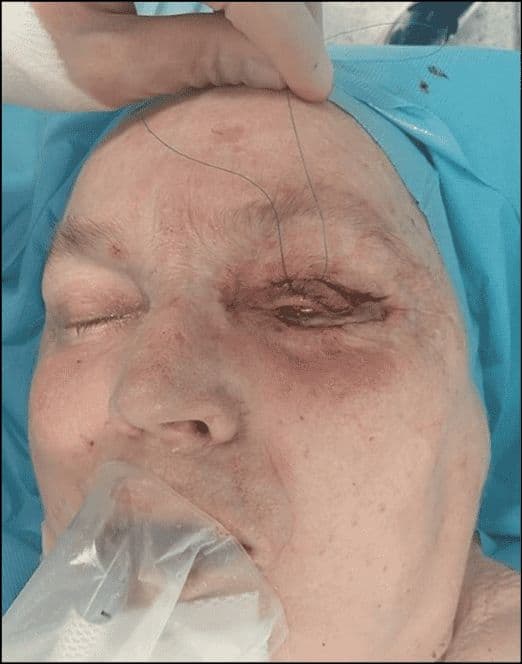
Case 02 2026: Tarsoconjuctival Flap for Eyelid Reconstruction
Ajla Sabitovic, Rikke Børthy Petersen, Nanja Gotland Sundstrup
This case describes the use of a tarsoconjuctival flap for reconstruction of the lower eyelid following excision of a basal cell carcinoma in a 76-year-old woman. Due to the tumor size, depth and location near the limbus of the eye, direct closure was not possible. The tarsoconjuctival flap was chosen as the preferred reconstructive approach because of its ability to reconstruct all layers of the eyelid. Postoperative follow-up at six months demonstrated satisfactory aesthetic and functional outcomes.
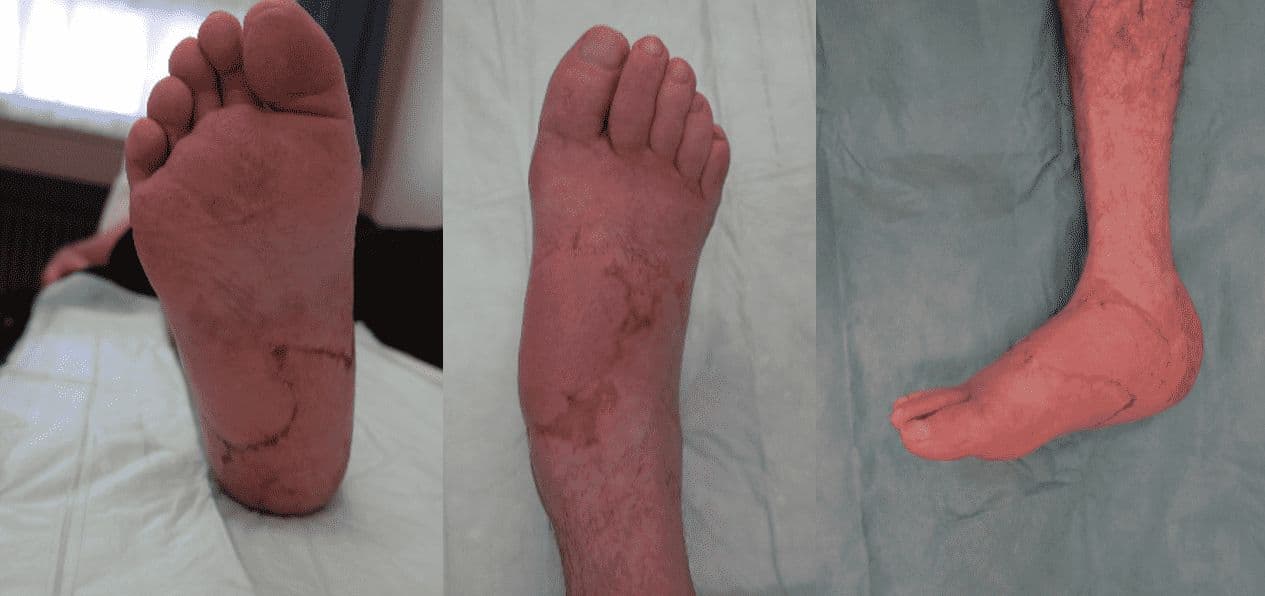
Case 2 - 2025: Reconstruction of an extensive foot defect using a combined sensory split latissimus dorsi and serratus anterior muscle flap
Luisa Lotter, Ilja Käch, Volker Schmidt
A 67-year-old male patient sustained a complex foot injury with an open Lisfranc dislocation of the medial cuneiform bone and shaft fractures of the 2nd to 4th metatarsals in July 2024, as a result of a crush trauma. After initial osteosynthetic treatment, a pronounced necrosis developed in the area of the hindfoot and forefoot over time and an implant-associated wound infection. The patient was then transferred to our tertiary care hospital for specialized defect reconstruction. At first radical necrosectomy was performed, resulting in a 10 x 12 cm soft-tissue defect in the heel area, which extended medially and laterally. In the area of the forefoot, there was also a full-thickness wound measuring 4 x 3 cm with exposed osteosynthetic material, bone, and tendon.
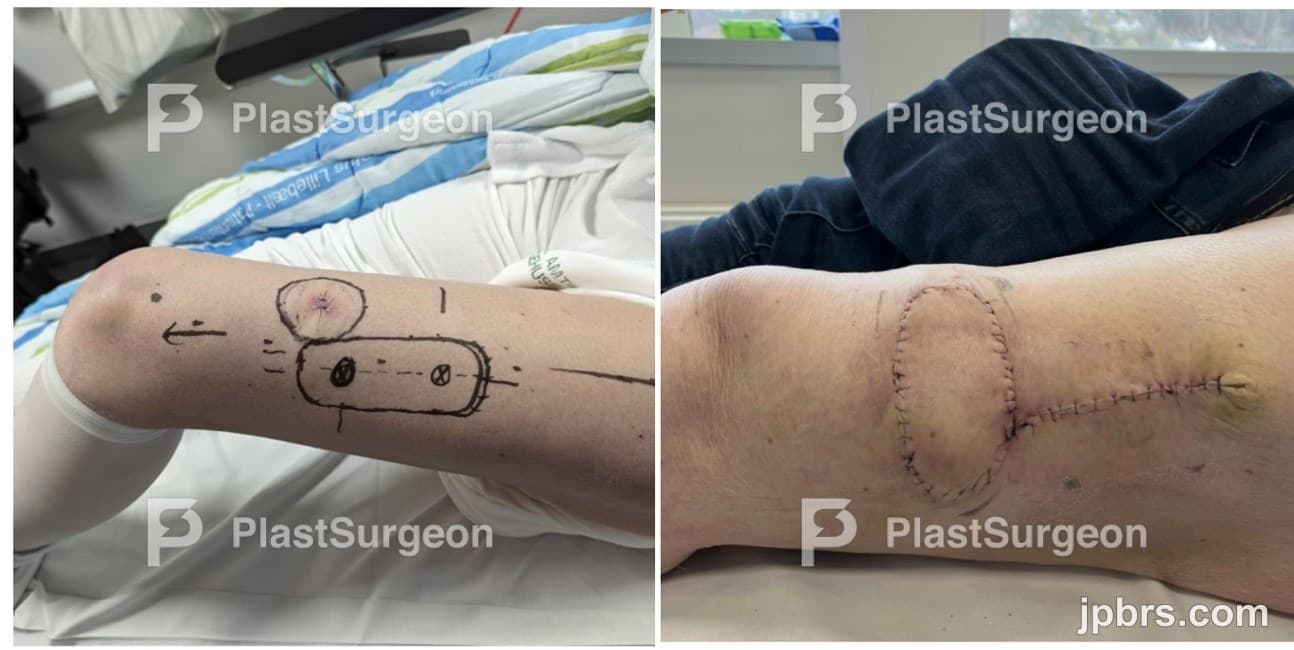
Case 2 (2024): Perforator-based soft tissue reconstruction around the knee, utilizing a D-POP ALT flap
Abdullah Najib Maalouf, Peter Sinkjær Kenney
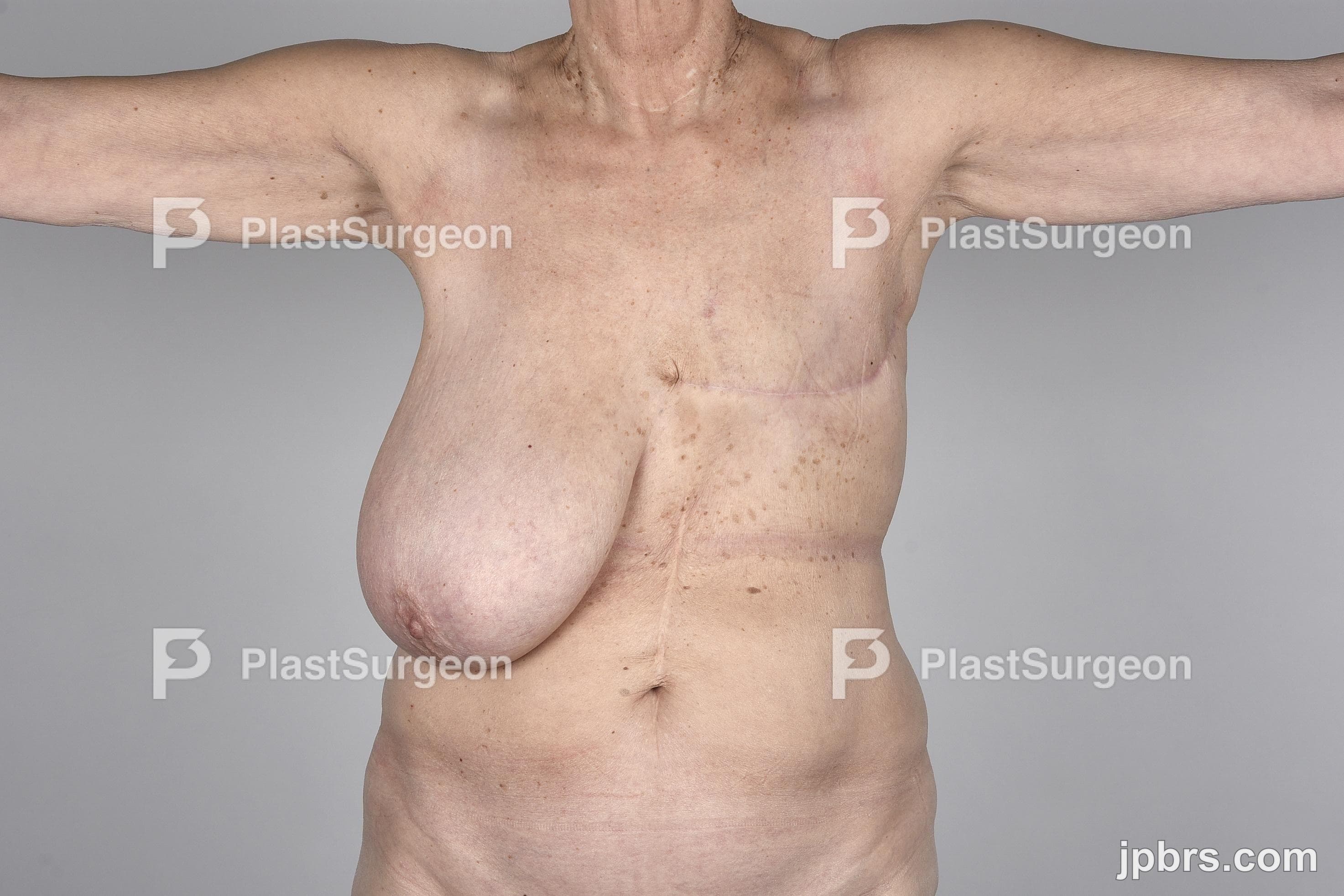
Case 2 (2023): Brystrekonstruktion med breast sharing-teknik
Nanja Gotland, Charlotte Uth, Alessandro Venzo
Most read
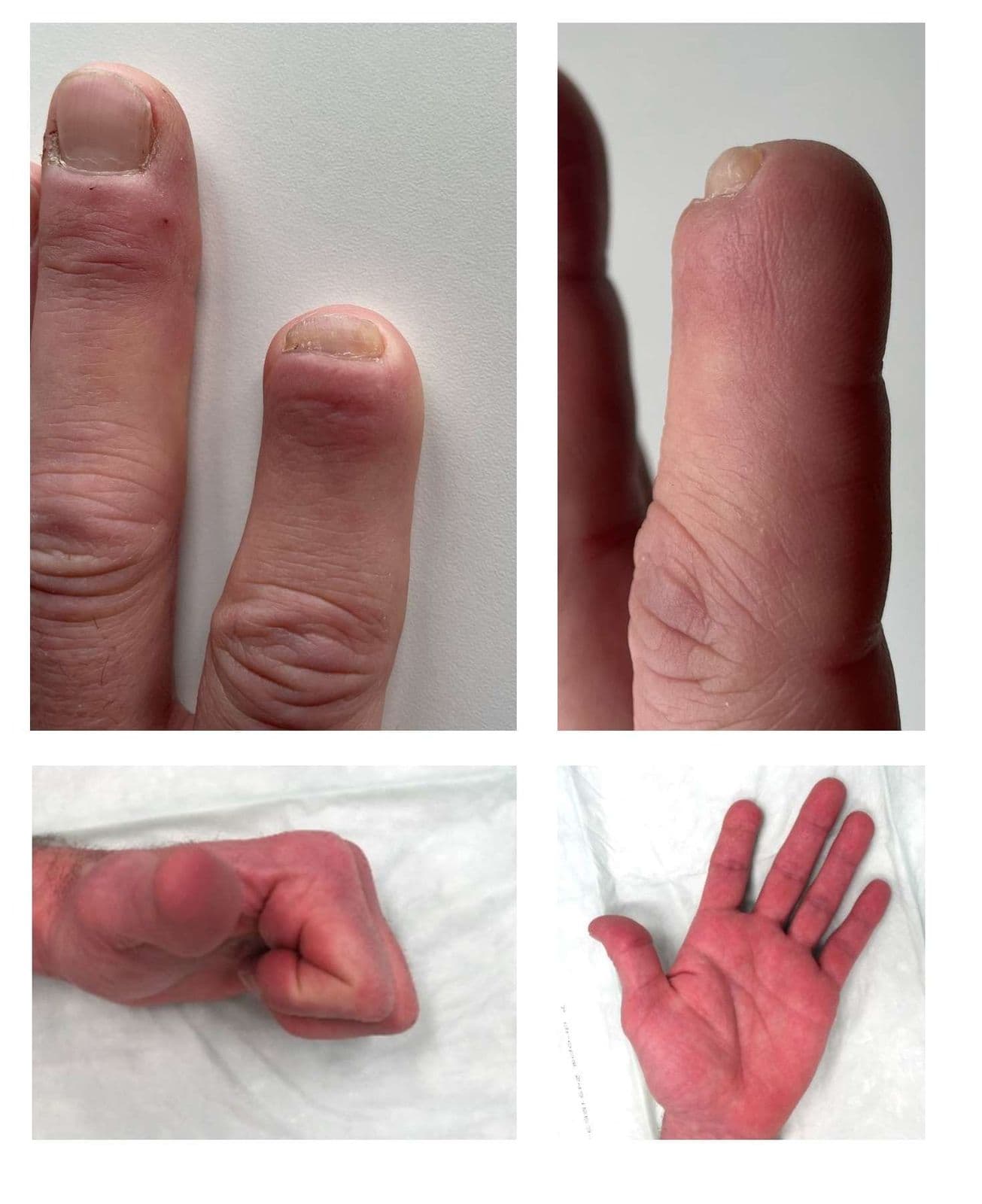
Case 6: Fingertip reconstruction by a V-Y flap and eponychial flap in a patient with fingertip amputation
Alina Strohmaier, Martina Greminger
A 58-year-old male presented with fingertip amputation of the left index finger after a bicycle accident. The injury was classified as Ishikawa Zone 2/Allen Type III, with ulnar oblique pulp defect, subtotal nail bed loss but with intact germinative matrix, and exposed bone. Treatment involved a volar V-Y advancement flap for soft tissue coverage and an eponychial flap to allow visible nail growth. Postoperatively, early mobilization was conducted. At 6-month follow-up, the patient reported good functional outcomes. Examination revealed adequate soft tissue coverage, a normally growing but short nail without a claw-nail deformity, and a stable fingertip. The patient was able to play the piano again. A near-complete range of motion and normal sensation were achieved. This case demonstrates successful fingertip reconstruction using local flaps to restore function and maintain the nail, even when the nail bed is almost completely injured.
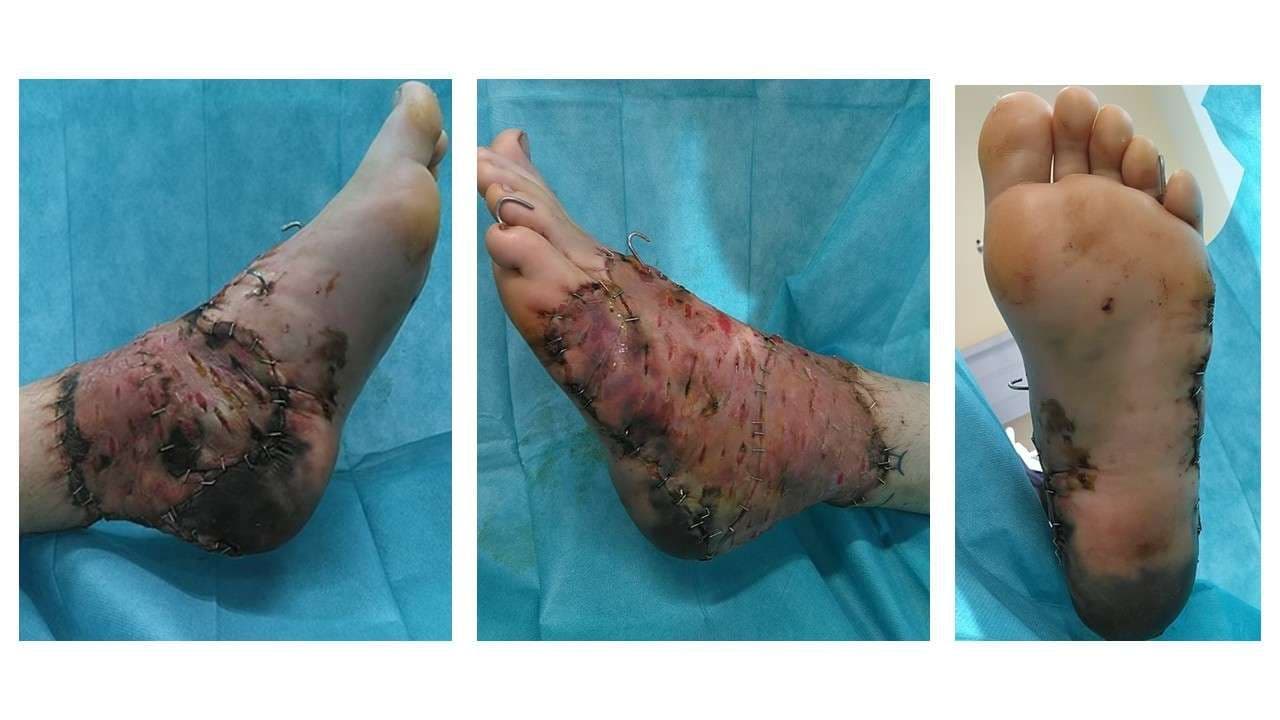
Case 16 2026: Severe Foot Degloving Injury Following a Forklift Crush: A Limb-Salvage Case
Cecilie Jansen, Emil Villiam Holm-Rasmussen, Mette Stueland Wolthers
A 30-year-old previously healthy man was admitted to The Trauma Centre at Copenhagen University Hospital, Rigshospitalet after his left foot was crushed by a 1.5-ton forklift at work. He sustained a large open fracture and an extensive circumferential degloving injury involving the foot and ankle, while distal perfusion remained intact. Computed Tomography (CT) demonstrated multiple intra-articular fractures with suspected Lisfranc injury and no vascular injury on CT angiography. Following orthopedic stabilization, plastic surgical management focused on debridement, tissue viability assessment, skin and heel-pad preservation, and limb salvage. This case highlights the challenges of severe foot degloving and multidisciplinary limb-salvage management.
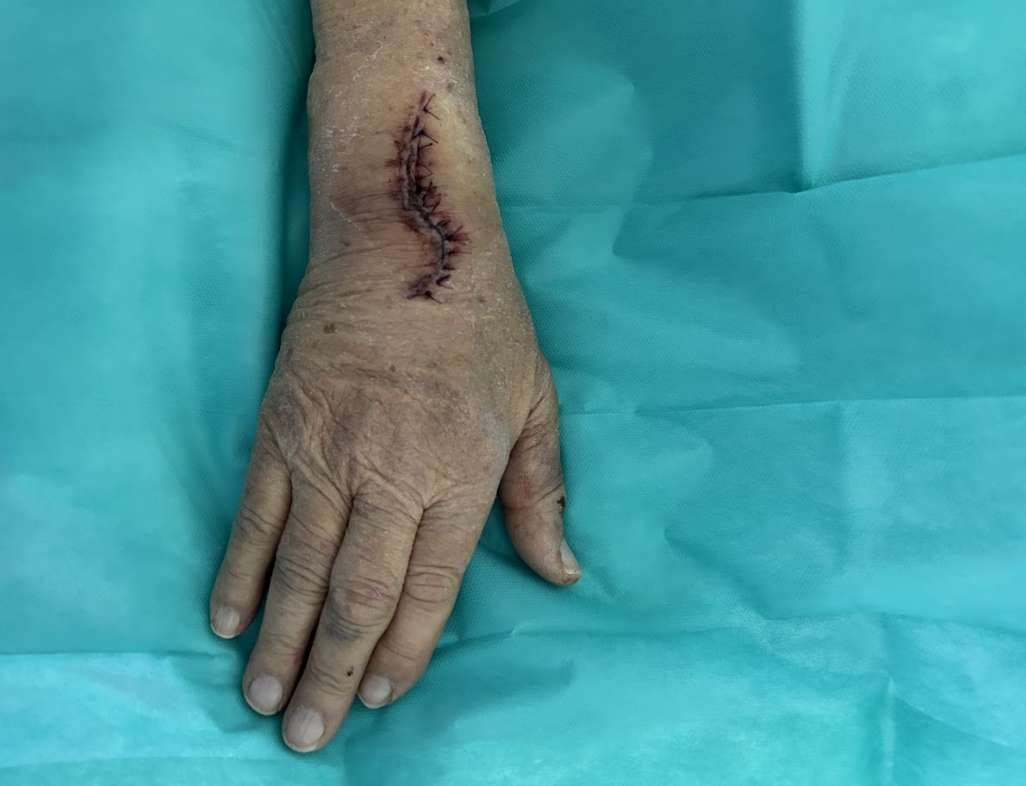
Case 17: Immediate Proximal Row Carpectomy for combined Scaphoid and Lunate Dislocation Without Fracture
Jorge Jimenez Lopez, Anastasia Boptsi, Konstantinos Kalousis
Carpal dislocation fractures are uncommon injuries, most frequently associated with high-energy trauma. Combined carpal dislocations without associated bone fractures are even rarer. Delayed treatment can have serious consequences. The case presented here involves an 86-year-old man with dislocation of the scaphoid and lunate bones, as well as acute carpal tunnel syndrome resulting from the injury. PRC is mostly a salvage operation but given the severity of ligamentous disruption, the need to restore the patient's mobility and also the fact, that scaphoid was irreducible, a proximal row carpectomy (PRC) was performed to preserve wrist range of motion (ROM).
How it works
Submit
Authors submit a structured, step-by-step case with photos, pearls and references.
Peer review
Expert reviewers score each case across seven criteria and collaborate with the authors.
Publish
Approved cases are published open-access and indexed for the global surgical community.
Case Competition 2026 winners
The year's best step-by-step cases.
Top 3 International Cases 2026
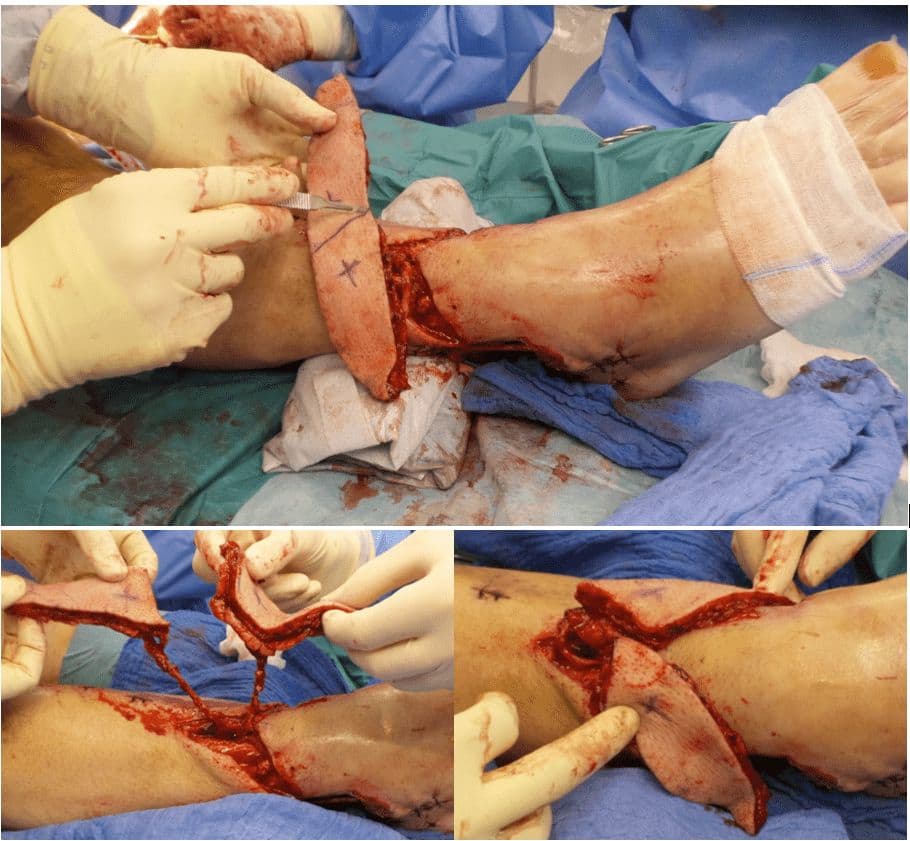
Case 19 2026: Split Perforator Flaps for bilateral ankle defects: A modern microsurgical approach to preserve function and reduce secondary thinning operations
Luisa Lotter, Marta Jezierska, Ilja W. Käch, Volker J. Schmidt — Hospital St.Gallen, St.Gallen, Switzerland
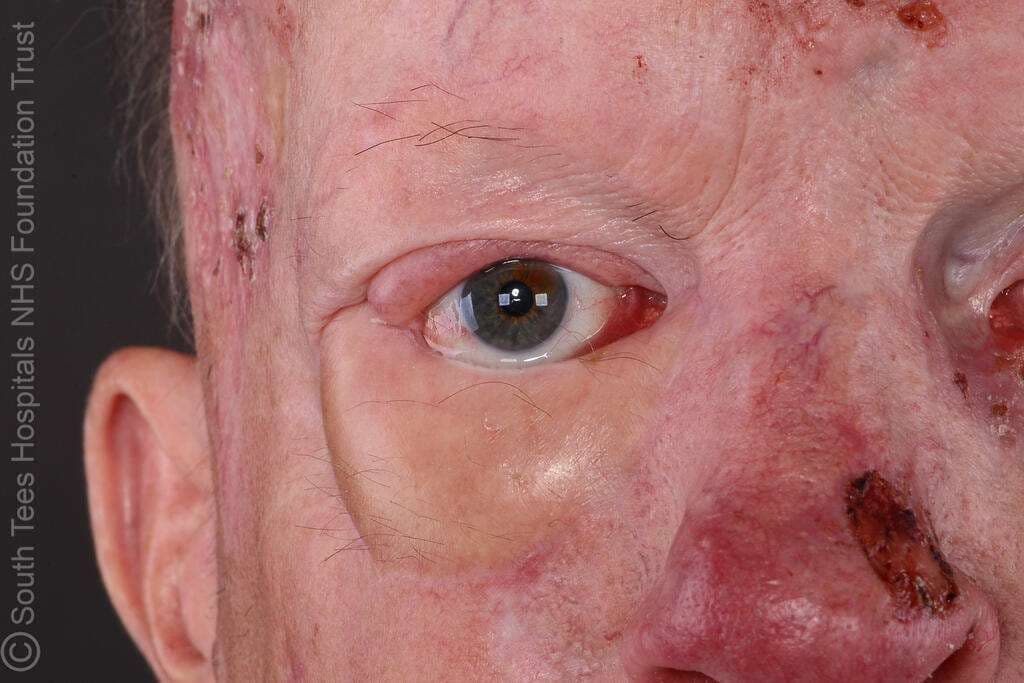
Case 21 2026: Reconstructing the Challenging Eyelid: Hard Palate Graft and Radial Forearm Free Flap Reconstruction in Gorlin–Goltz Syndrome
Ketki Kaushal, Oliver Bassett
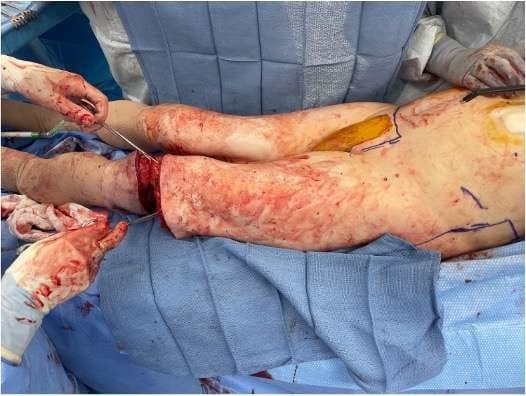
Case 13 2026: Fillet Flap Reconstruction Following Hemicorporectomy for Recurrent High-Grade Gluteal Sarcoma
Isha Joshi, Zachary Erlichman, Nia Nikkhahmanesh, Christina Chopra, Jason Ganz — Stony Brook University Hospital, Stony Brook, New York
Top 3 Danish Cases 2026
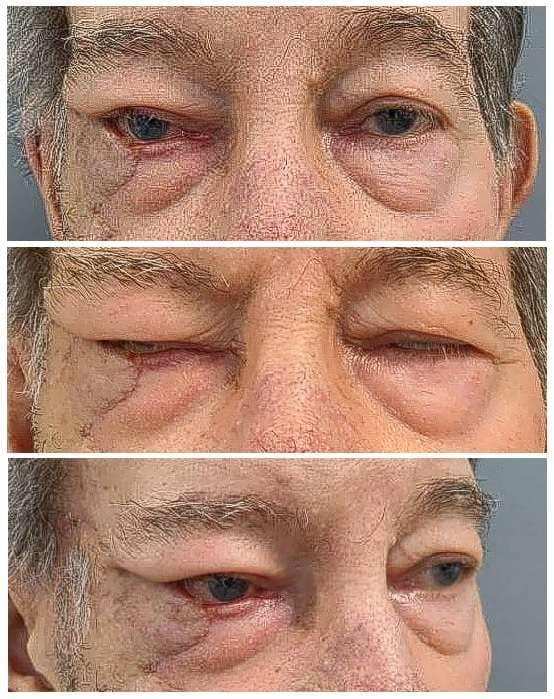
Case 08 2026: A Hella Lamella: A Three-Flap, Full-Thickness Lower Eyelid Reconstruction
Sondre F. Koren, Jette B. Løvenwald — Roskilde, SUH
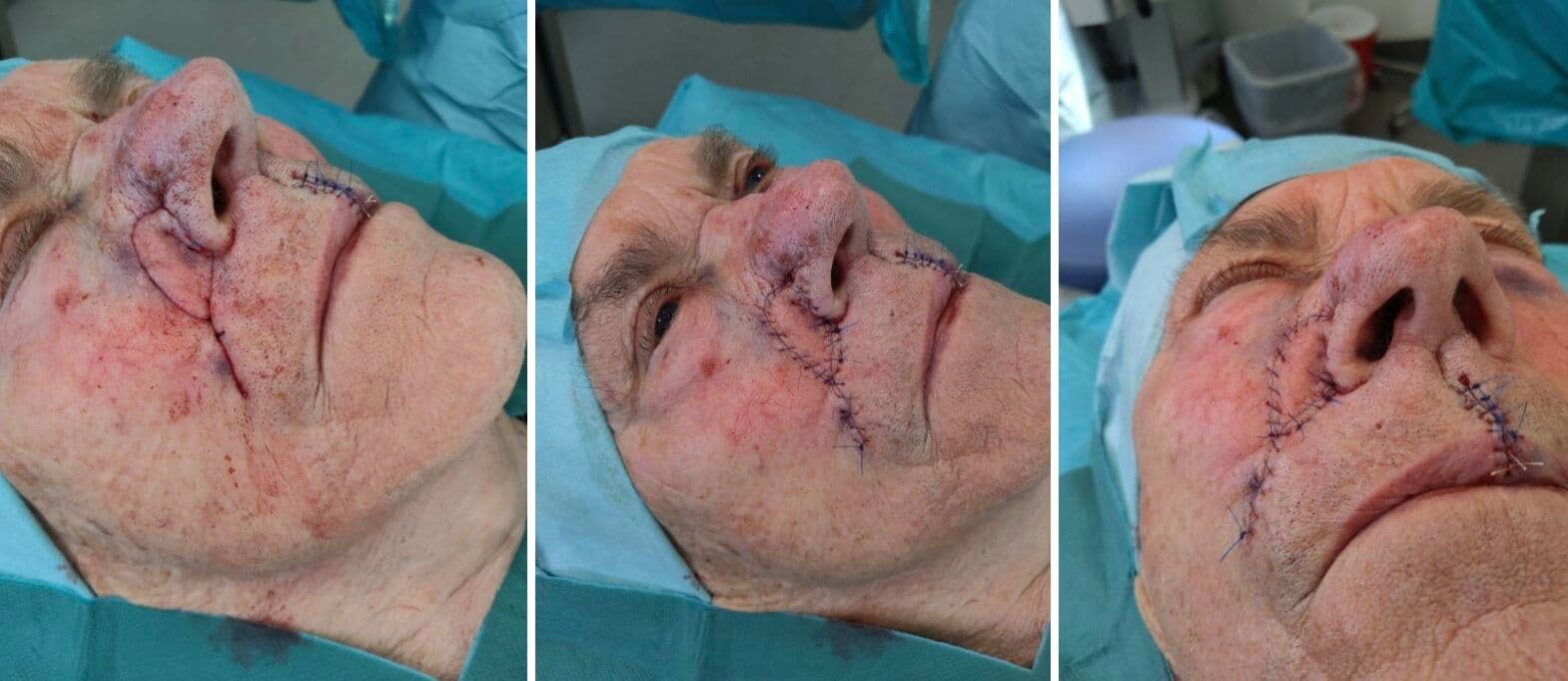
Case 12 2026: Closure of defect on ala nasi with modified shark island flap
Mickie Bang Christensen, Magnus Avnstorp — Department of Plastic- & Breast Surgery, Zealand University Hospital Roskilde, Denmark
Case 16 2026: Severe Foot Degloving Injury Following a Forklift Crush: A Limb-Salvage Case
Cecilie Jansen, Emil Villiam Holm-Rasmussen, Mette Stueland Wolthers — University Hospital, Rigshospitalet, Denmark
Top 3 Trauma Cases 2026
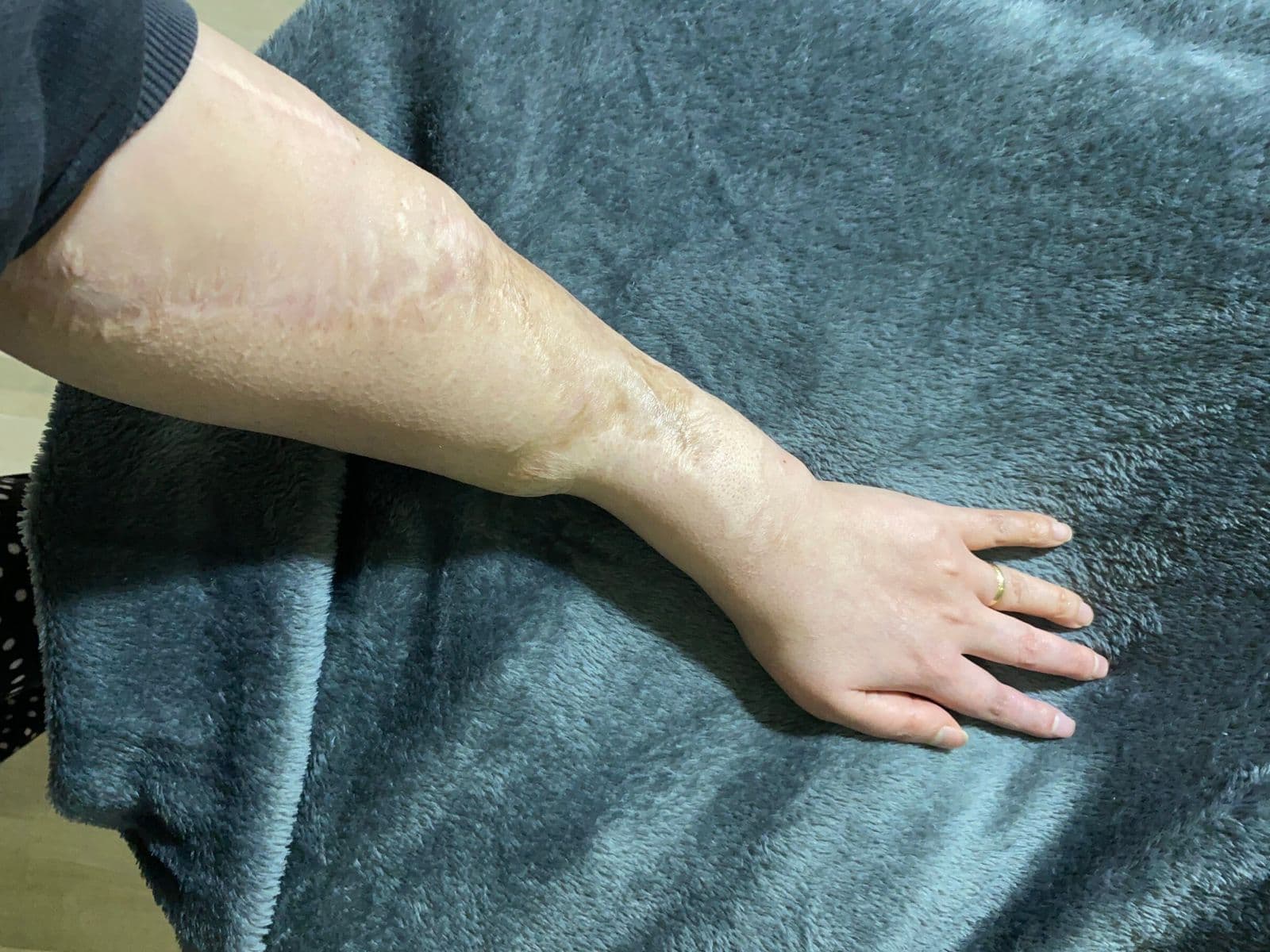
Case 03 2026: Emergency limb salvage with combined free vastus lateralis and anterolateral thigh flap after post-traumatic brachial artery graft thrombosis in a 16-year-old patient
Ibrahim Güler — Department of Plastic, Reconstructive and Aesthetic Surgery, Dokuz Eylül University, Izmir, Turkey; Department of Plastic, Aesthetic and Hand Surgery, Otto von Guericke University, Magdeburg, Germany
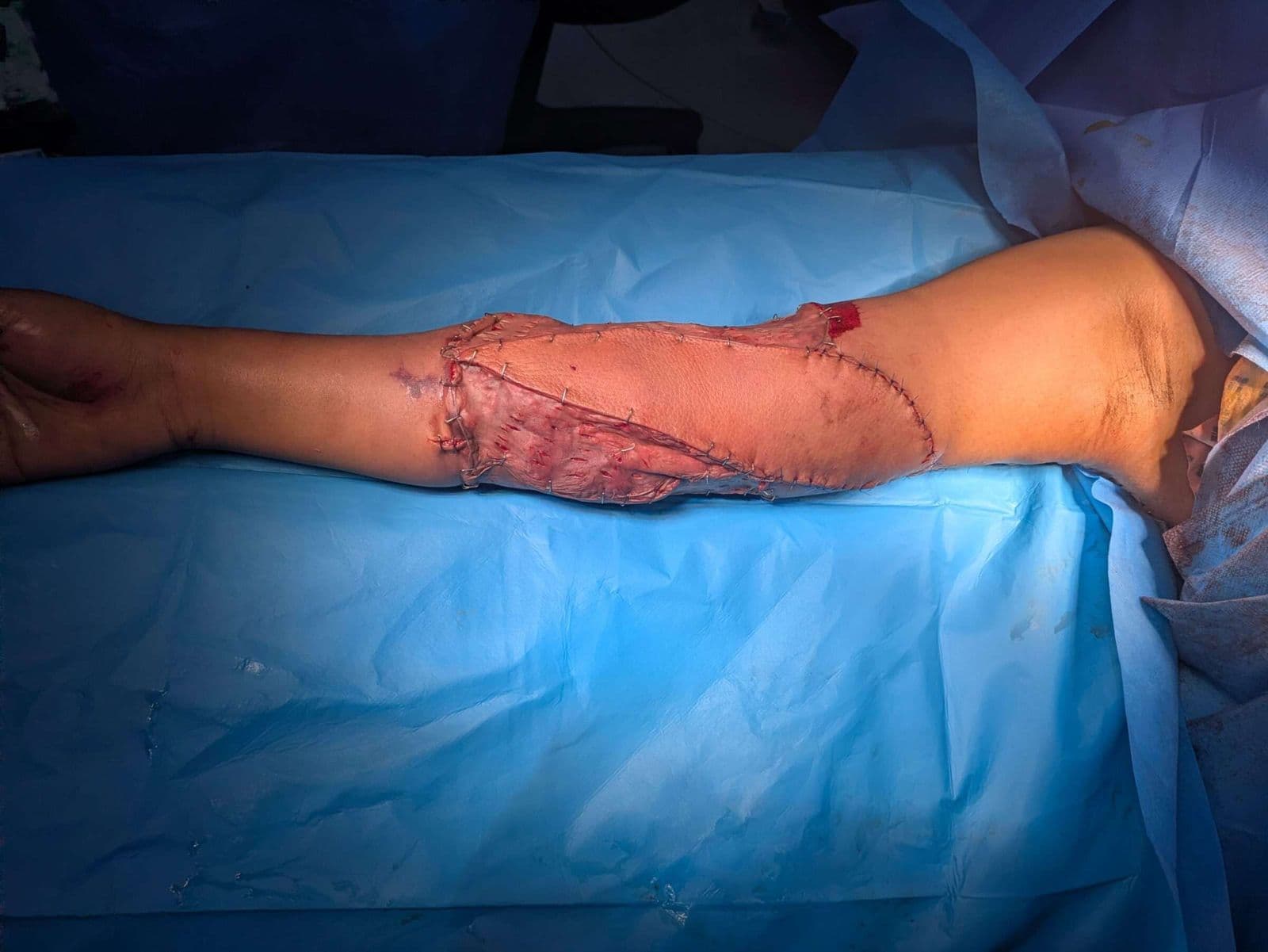
Case 24 2026: Ipsilateral Myocutaneous Latissimus Dorsi Flap for Traumatic Upper Limb Soft Tissue and Vascular Injury Following Road Traffic Accident
Sumaira Sattar — SMBB Institute of Trauma, Karachi, Pakistan
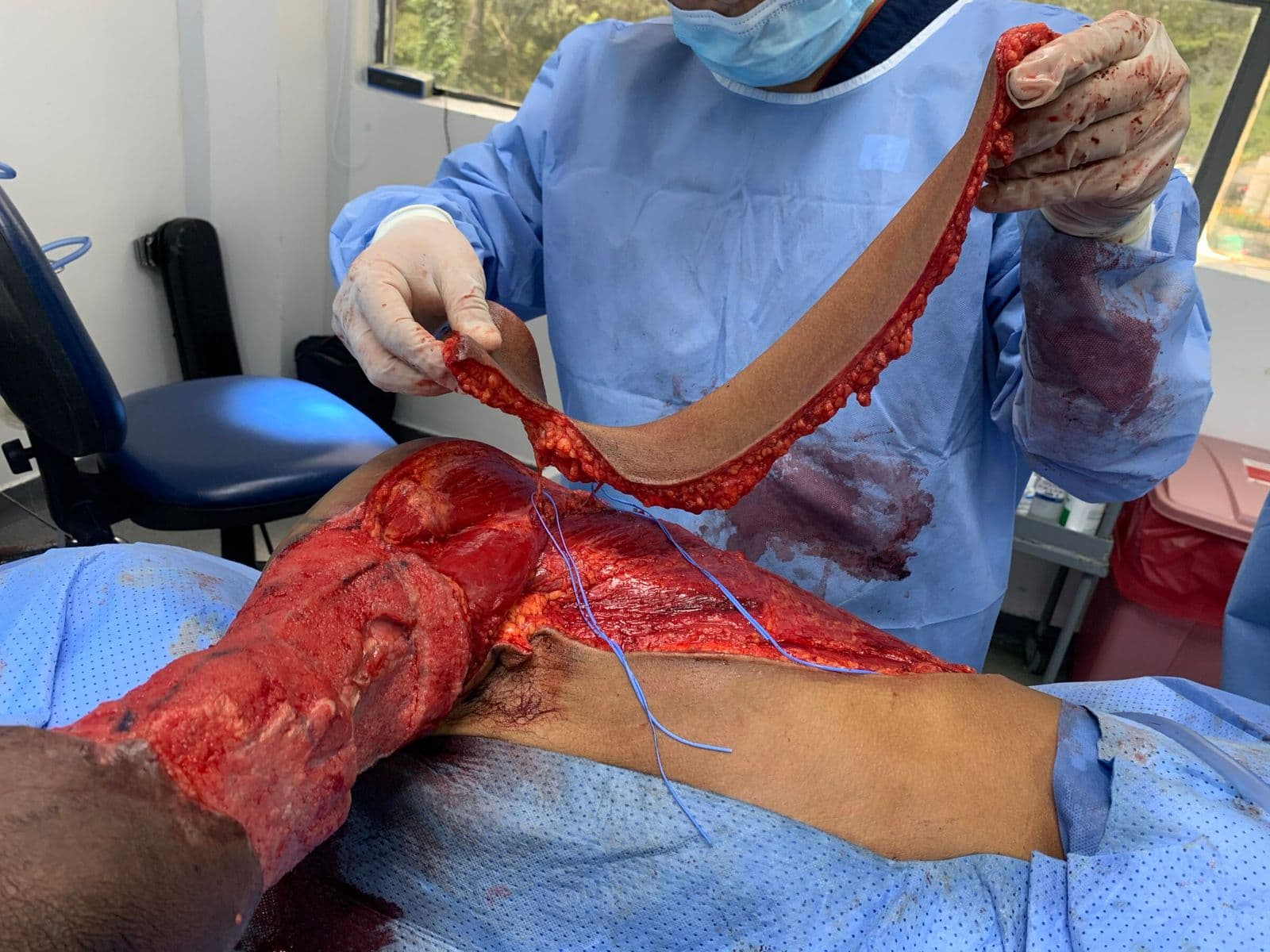
Case 10 2026: Propeller Flap Based on Two Perforators of the Scapular Artery for the Management of a Severely Traumatized Upper Extremity
Nelson Ramirez Lozano — Hospital de Santa Sofía Manizales, Colombia. Alejandro Angelillis Osorio. Surgical Assistant, Oncologos de Occidente, Manizales, Colombia
Have a case to share?
Join surgeons worldwide publishing peer-reviewed, open-access case reports — submission is straightforward and your draft saves as you go.